
Retaining and Seating Walls in Clearwater, FL
Segmental block walls that hold back soil, lift a patio above the yard or wrap a fire pit with built-in seating.
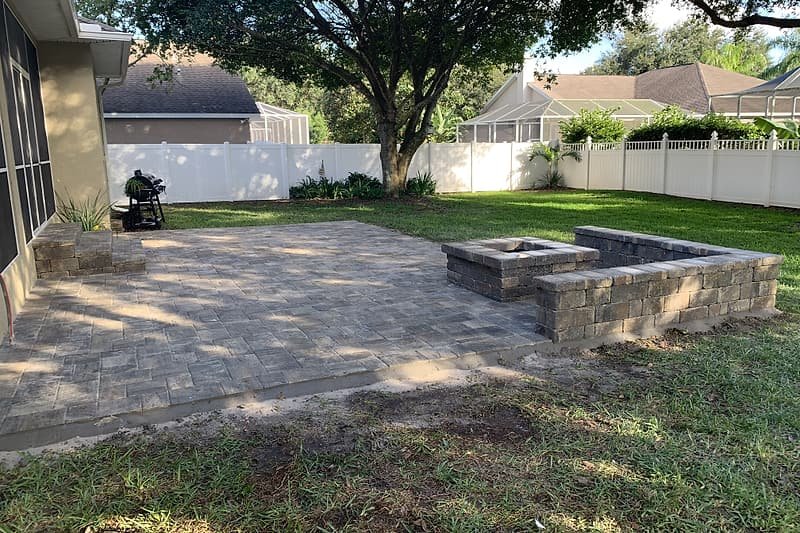
A retaining wall holds soil at two different levels; segmental block walls do this with interlocking concrete units on a compacted base, and the same system builds raised patio borders and freestanding seating walls.
Small walls, big difference
Most yards around Clearwater are fairly flat, but walls still solve a lot of problems. A low wall can level a sloping bed, raise a patio so it meets the back door, keep mulch and soil out of the lawn, or create the edge that makes a fire pit area feel like a room. Seating walls do the same job and double as permanent seating.
Segmental block walls are built from interlocking units that stack without mortar. Their strength comes from what you don’t see: a trench with a compacted base, a perfectly level first course, gravel backfill behind the wall and, where water could build up, a drain pipe that lets it escape. Skipping any of these is why some walls lean or bulge after a few years.
Taller walls, and walls that support a driveway or structure, can require engineering and permits. We’ll flag that during the estimate. For most residential projects, walls are part of a larger plan, like a fire pit patio or a drainage fix where the yard needs to be regraded.
What walls do for a yard
Usable level ground
Turn a slope into flat space for a patio, lawn or planting bed.
Seating that stays put
Seat walls around a fire pit or patio edge add seating without more furniture.
Soil and mulch stay where they belong
Beds hold their shape and stop washing onto walkways in heavy rain.
A finished edge
Walls give the design clear lines and can match the pavers you choose.
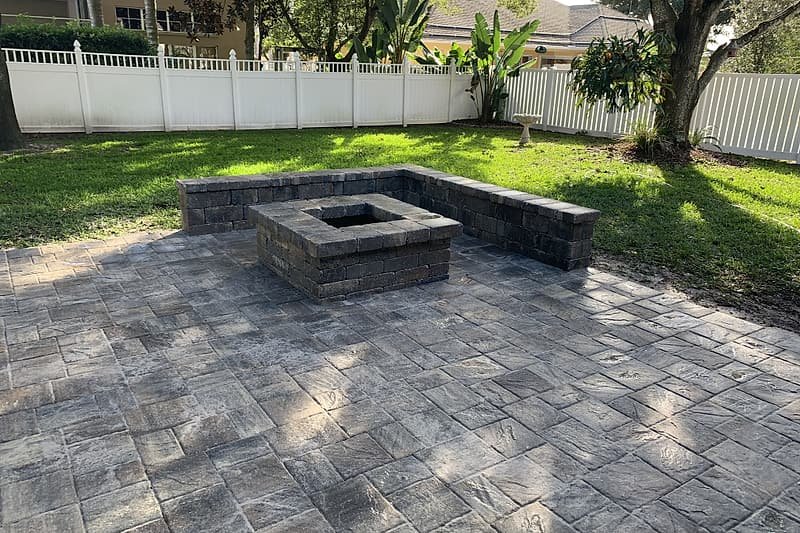
Wall projects we build
- Fire pit seating walls
- Curved or straight seat walls built with the fire pit, at a comfortable seating height.
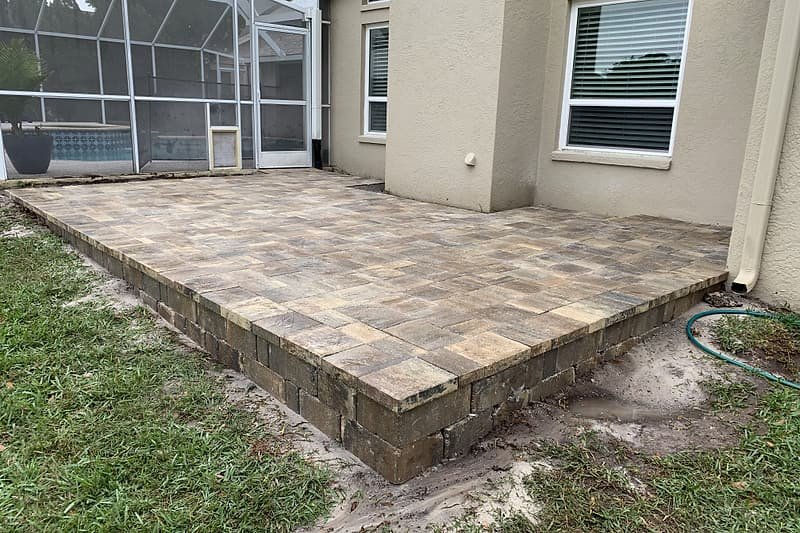
- Raised patio borders
- Block borders that hold a patio above the surrounding yard, with steps where needed.
- Garden and planter walls
- Low walls that level beds and keep soil in place.
- Low retaining walls
- Walls that handle a modest change in grade along a slope, pool area or property line.
What goes into a wall
Height and what the wall holds back drive most of the decisions.
| Decision | What we look at with you |
|---|---|
| Height | Low garden and seating walls are straightforward; taller walls may need reinforcement, engineering and permits. |
| Block style and color | Smooth or split-face blocks in colors that match or complement your pavers. |
| Caps | Finished cap units on top, important for seating walls and for a clean look. |
| Base and first course | A compacted trench base and a level first course, the foundation of a straight wall. |
| Drainage behind the wall | Gravel backfill and, where needed, a drain pipe so water pressure doesn’t push the wall. |
| Layout | Straight runs or curves, corners and steps, planned with the patio or bed around it. |
How we build a wall
Plan the line and height
We mark where the wall runs, set its height and plan any steps or curves.
Dig and compact the base
A trench is excavated and a compacted base is built for the first course.
Set the first course level
The bottom row is set perfectly level, since every row above follows it.
Build up and backfill
Blocks are stacked with gravel backfill and drainage behind as the wall rises.
Cap and finish
Caps are secured and the patio, soil or turf around the wall is finished.
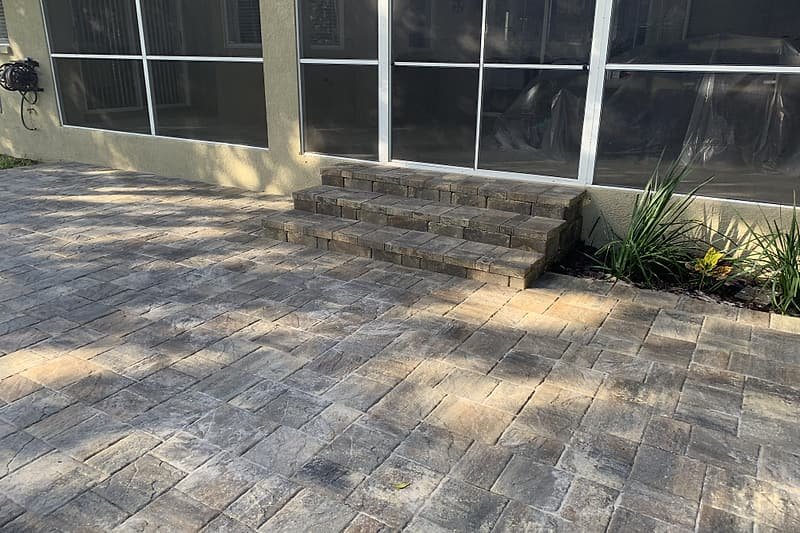
From our job sites
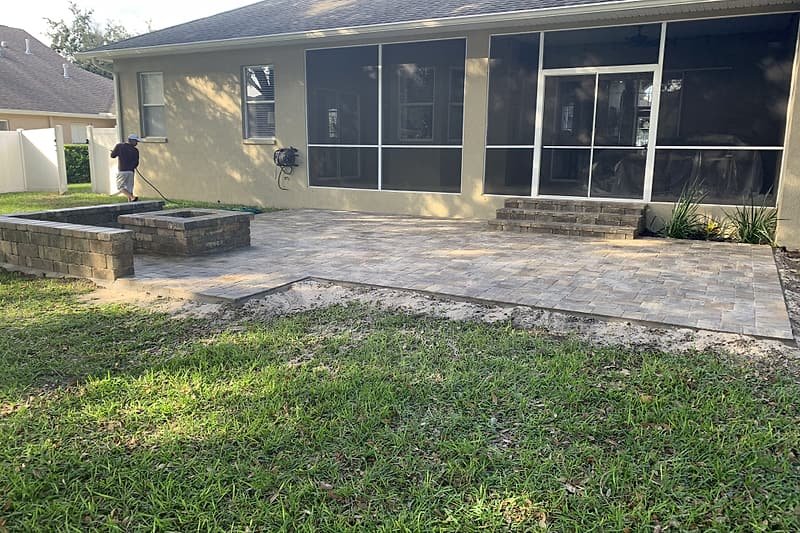
Photos from Nathell Services projects — no stock images. See more of our work
Retaining Walls: common questions
Still deciding? Text a photo of your yard and ask Edilson directly.
How tall can a retaining wall be without an engineer?
It depends on local code and on what the wall supports. Low garden and seating walls are generally straightforward, while taller walls, or walls supporting a driveway, slope or structure, can require engineering and a permit. We’ll tell you what applies to your wall during the estimate.
Why do some retaining walls lean or bulge?
Usually because of a weak base, a first course that wasn’t level, or water trapped behind the wall. We build on a compacted base, set the first course carefully and backfill with gravel and drainage so water can escape.
What is a comfortable height for a seating wall?
Seating walls are usually built close to chair height, around 18 to 20 inches, with a cap deep enough to sit on comfortably. We’ll fine-tune the height to your patio and furniture.
Can the wall match my pavers?
Yes. Wall blocks and caps come in colors and textures that coordinate with many paver lines, so the wall, patio and fire pit look like they were designed together.
Do I need a wall for a raised patio?
If the patio sits noticeably higher than the yard, a border wall holds the base in place and gives a clean edge. For small differences in height, a thickened edge and a soldier course can be enough. We’ll recommend the right approach.
Retaining Walls around Clearwater
Based in Clearwater, we take on projects within roughly 50 miles across Pinellas County and nearby parts of Hillsborough and Pasco. Send your address and we’ll confirm right away whether it’s in range.
We currently do not serve Riverview, Apollo Beach or Sarasota.
See all service areas- Clearwater
- Largo
- Dunedin
- Safety Harbor
- Palm Harbor
- Oldsmar
- Tarpon Springs
- Belleair
- Seminole
- Pinellas Park
- St. Petersburg
- Indian Rocks Beach
- Tampa
- Westchase
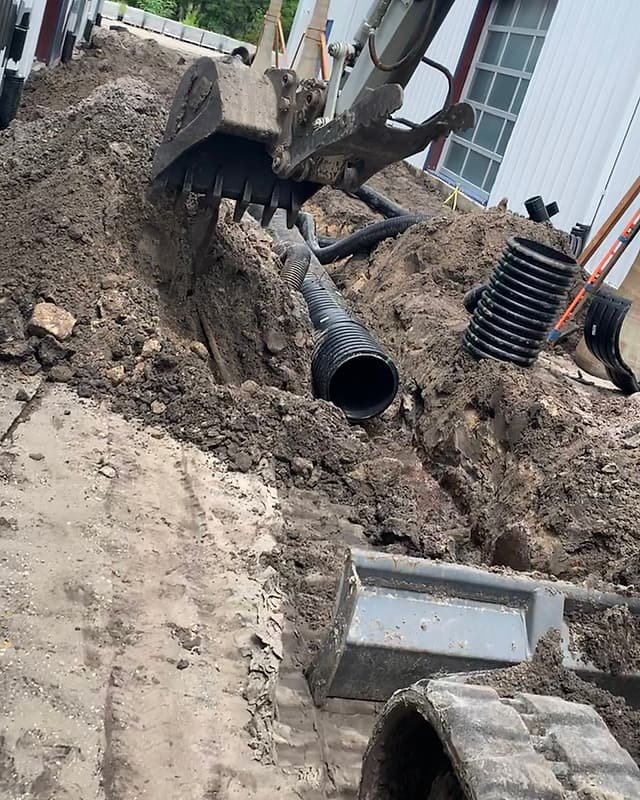
Your outdoor transformation starts here
Text a few photos of your yard and a quick description of what you have in mind. Edilson will reply to talk through the project and set up a time to measure.
Prefer a form? Request an estimate online
(727) 503-1822 · nathellservicesfl@gmail.com · English & Spanish